Transcatheter Mitral Valve Replacement - TMViR Techniques
What is the TMViR Procedure?
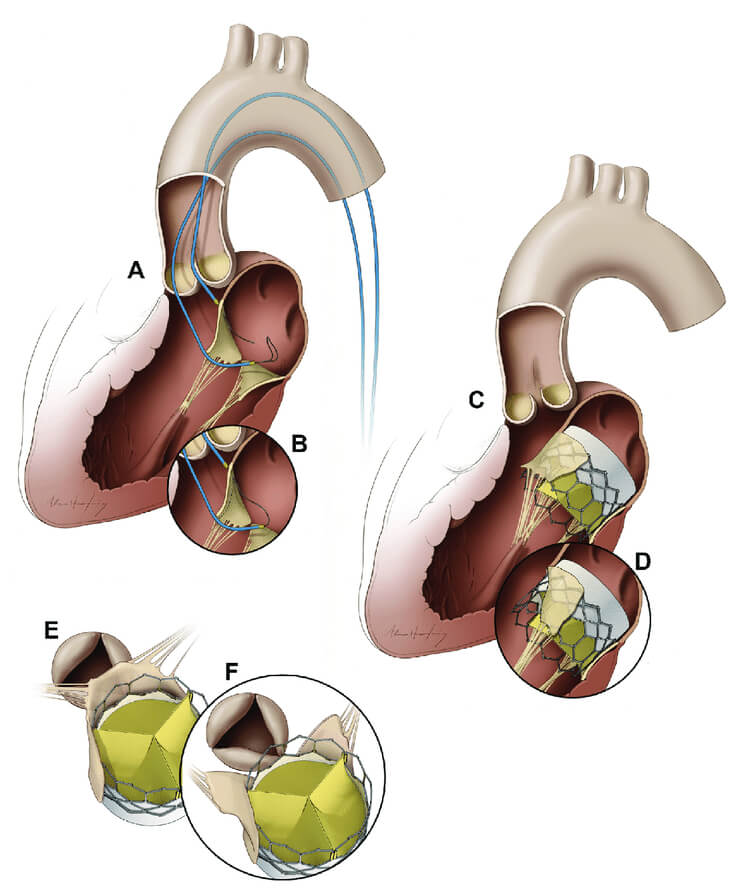
TMViR is a catheter-based procedure performed through a small incision in the groin or chest, eliminating the need for open-heart surgery. It involves delivering a replacement valve via a catheter, which is then positioned within the existing annuloplasty ring. The replacement valve expands to fill the ring, effectively treating the valve dysfunction.
Step-by-Step Overview of TMViR
- Patient Assessment: Patients are carefully evaluated using imaging techniques like echocardiography and CT scans to determine the anatomy of the annuloplasty ring and its compatibility with the transcatheter valve.
- Catheter Insertion: A catheter is inserted through the femoral vein (in the groin) or, in some cases, via a small incision in the chest. The catheter is guided to the mitral valve through the venous system under the guidance of imaging.
- Valve Deployment: Once the catheter is in position, a new valve—usually a transcatheter heart valve (such as the Edwards Sapien or Medtronic Melody valve)—is delivered and expanded inside the existing annuloplasty ring. The new valve presses against the ring, ensuring a secure fit and restoring proper valve function.
- Post-procedure Monitoring: After the valve is implanted, the catheter is removed, and the patient is monitored for complications, such as paravalvular leaks (leakage around the new valve), bleeding, or stroke.
Benefits of TMViR
- Minimally Invasive: TMViR avoids the need for a second open-heart surgery, which is especially beneficial for high-risk patients. The procedure is typically done under general anesthesia but does not require the heart-lung machine.
- Quick Recovery: Compared to traditional valve replacement surgery, TMViR offers a much faster recovery time. Patients can often return to their normal activities within a few weeks.
- Alternative for High-Risk Patients: Many patients who are not candidates for a second surgery due to comorbidities or frailty can still benefit from TMViR, giving them a chance at improved quality of life without the risks of a major surgery.
- Reduced Complications: Because it’s minimally invasive, TMViR typically results in fewer complications like infection, excessive bleeding, or long-term scarring.
Challenges and Risks of TMViR
While TMViR offers significant advantages, there are some challenges and risks involved:
- Valve Sizing: One of the key technical challenges is ensuring the replacement valve is the correct size for the existing annuloplasty ring. If the valve is too small or too large, it may lead to improper seating or residual leaks.
- Paravalvular Leak: A common risk with valve-in-ring procedures is a paravalvular leak, where blood leaks around the edges of the newly implanted valve. This can occur if the replacement valve does not fit perfectly into the existing ring.
- LVOT Obstruction: There is a risk of left ventricular outflow tract (LVOT) obstruction if the new valve or the anterior mitral leaflet obstructs blood flow from the left ventricle into the aorta. This is more common in patients with certain anatomical features, and careful pre-procedure planning using imaging is necessary to mitigate this risk.
- Durability: While TMViR is a promising alternative, long-term data on the durability of transcatheter valves in an annuloplasty ring is still being studied. Regular follow-up is necessary to monitor the valve’s performance over time.
Advances and Future of TMViR
TMViR is still a relatively new technique, and ongoing research aims to improve the procedure’s success rates and minimize complications. Key areas of focus include:
- Device Development: New transcatheter valves are being designed specifically for use in previously repaired mitral valves, improving outcomes for valve-in-ring procedures.
- Pre-procedural Planning: Advanced imaging techniques are being used to better assess patients’ anatomical characteristics before the procedure, allowing for more accurate valve sizing and placement.

Dr. Rajpopat is a highly respected cardiologist based in Ahmedabad, known for his exceptional skills in treating complex heart conditions.
Specialities
Get In Touch
Epic Hospital, Rajpath Rangoli Rd, behind Rajpath Club, off Sarkhej – Gandhinagar Highway, Bodakdev, Ahmedabad, Gujarat 380054