Transcatheter Mitral Valve Replacement (TMVR)
with the TMViR Technique
Transcatheter Mitral Valve Replacement
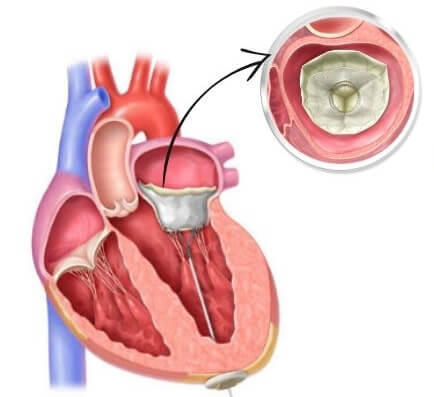
Transcatheter Mitral Valve Replacement (TMVr) is a minimally invasive procedure used to treat mitral valve regurgitation, a condition where the mitral valve in the heart doesn’t close properly, allowing blood to leak backward into the left atrium. Unlike traditional open-heart surgery, TMVr involves the use of catheter-based techniques to repair the valve without the need for major incisions. This makes it a preferred option for patients who are considered too high-risk for surgical repair due to age, frailty, or other health conditions.
What is Mitral Valve Regurgitation?
The mitral valve controls blood flow from the left atrium to the left ventricle, ensuring that blood moves in one direction during the heart’s pumping cycle. In mitral regurgitation, the valve doesn’t close tightly, causing blood to flow backward into the atrium. This can lead to symptoms like shortness of breath, fatigue, and an increased risk of heart failure. Left untreated, severe mitral regurgitation can significantly impact heart function and overall health.
Indications for TMVR
TMVr is recommended for patients with severe mitral regurgitation who are not suitable candidates for open-heart surgery. Key indications include:
- Degenerative Mitral Regurgitation: Caused by issues like mitral valve prolapse or flail leaflets, where the valve structure is damaged.
- Functional Mitral Regurgitation: Typically occurs when the valve is stretched or distorted due to issues like an enlarged heart or heart failure.
The TMVr Procedure: How Does it Work?
The most commonly used TMVr device is the MitraClip, a clip that is delivered to the mitral valve via a catheter inserted through a small incision in the femoral vein (in the groin). The procedure involves the following steps:
- Catheter Insertion: The catheter is threaded through the venous system and into the heart. Real-time imaging such as transesophageal echocardiography (TEE) and fluoroscopy is used to guide the catheter to the mitral valve.
- Valve Clipping: Once the catheter reaches the mitral valve, the MitraClip device is deployed. It grasps and clips together a portion of the mitral valve leaflets, reducing the amount of blood that leaks backward into the atrium.
- Assessment: After the clip is positioned, the valve function is assessed to ensure that regurgitation has been minimized and that blood flow has improved. More than one clip can be deployed if necessary to further reduce leakage.
- Catheter Removal: Once the valve repair is completed and confirmed, the catheter is withdrawn, and the small incision in the groin is closed.
Benefits of TMVr
- Minimally Invasive: TMVr is performed using catheters, avoiding the need for open-heart surgery. This leads to quicker recovery times, shorter hospital stays, and fewer risks associated with large surgical incisions.
- Suitable for High-Risk Patients: For patients who cannot undergo traditional surgery due to advanced age, frailty, or other comorbidities, TMVr provides an alternative solution.
- Improved Symptoms and Quality of Life: Many patients experience a significant reduction in symptoms such as shortness of breath and fatigue, allowing for a better quality of life post-procedure.
- Reduced Risk of Heart Failure: By improving the function of the mitral valve, TMVr helps to prevent the progression of heart failure and other serious complications associated with mitral regurgitation.
Risks and Challenges
Though TMVr is generally considered safe, it does come with some risks and challenges:
- Residual Mitral Regurgitation: In some cases, the clip may not fully resolve the regurgitation, or it may cause narrowing of the valve (stenosis), which could require additional treatment.
- Device-Related Risks: The MitraClip could potentially dislodge or not function as intended, requiring further intervention.
Who is a Candidate for TMVr?
Patients with moderate to severe mitral regurgitation who are at high or prohibitive risk for traditional surgery are ideal candidates for TMVr. The decision to proceed with TMVr is typically made by a multidisciplinary heart team, including cardiologists, cardiothoracic surgeons, and imaging specialists, who assess each patient’s specific anatomy, condition, and overall health status.

Dr. Rajpopat is a highly respected cardiologist based in Ahmedabad, known for his exceptional skills in treating complex heart conditions.
Specialities
Get In Touch
Epic Hospital, Rajpath Rangoli Rd, behind Rajpath Club, off Sarkhej – Gandhinagar Highway, Bodakdev, Ahmedabad, Gujarat 380054