Risks of Heart Valve Replacement: TAVR and Open Valve Surgery
Every treatment has benefits and risks, and heart valve replacement is no different. This page explains the possible risks in general, so that you can have a better conversation with your doctor. It is not a list of what will happen to you. Your own risks depend on your health, and your doctor can explain them for your case.
Why risk is different for each person
Several things affect risk. Your age and general health. Other conditions such as diabetes, kidney problems or lung disease. How well your heart is pumping. Earlier heart surgery. The shape and condition of your valve and blood vessels. And whether the treatment is planned or done in an emergency. This is why doctors look at each person separately.

Possible risks of TAVR
TAVR is done through a blood vessel, without opening the chest, but it still carries risks. These can include bleeding or bruising where the catheter went in, injury to a blood vessel, stroke, strain on the kidneys from the dye used during the scan or procedure, changes in the heart rhythm that may need a pacemaker, and a leak around the valve. Most of these are not common, and your team watches for them closely.
Possible risks of open valve surgery
Open valve surgery means opening the chest and using a heart-lung machine while the valve is replaced. Possible risks include bleeding, infection, stroke, irregular heartbeat, and problems with the lungs or kidneys. Recovery usually takes longer because the chest bone has to heal. Some types of valve need lifelong blood thinners.
How doctors work to reduce risk
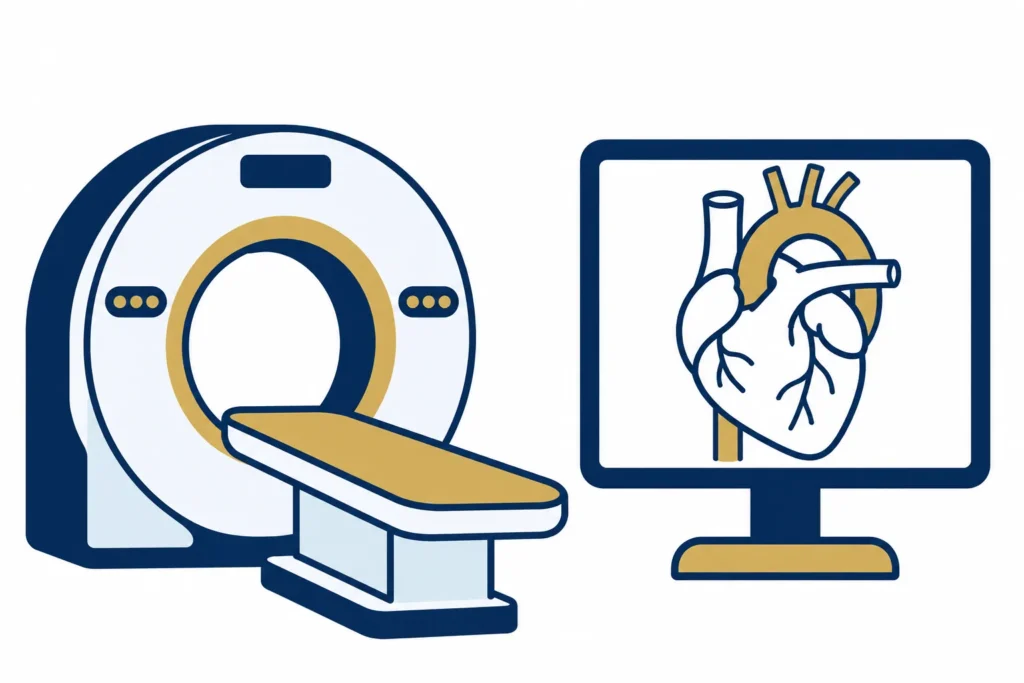
Careful planning helps. This includes a detailed heart scan, a CT scan, blood tests and a review of your other health conditions. Your case may be discussed by a heart team. During and after the procedure you are monitored, and follow-up visits help to catch problems early.
Questions to ask your doctor
What are my own risks, given my health? What are my options, and how do they differ for me? What can happen if I choose not to treat the valve? What does recovery look like? How often will I need follow-up? You can also read the TAVR Patient Journey and Recovery After TAVR to know what to expect.
To discuss your case with Dr. Abhishek Rajpopat, Interventional Cardiologist at Epic Multispecialty Hospital, Ahmedabad, call +91 98985 61611.

Frequently Asked Questions
Which is safer, TAVR or open valve surgery?
Will I need a pacemaker after TAVR?
Can the new valve leak?
What happens if aortic stenosis is not treated?
Should I be worried about the risks?
Where can I discuss my case?
This page is for general information and is not a substitute for medical advice. Please talk to your cardiologist about your own case. In an emergency, call 112.
Disclaimer: The medical information provided on this website is for educational and informational purposes only and should not be considered as medical advice, diagnosis, or treatment. Always consult a qualified healthcare professional regarding any medical condition or treatment decisions. While every effort is made to ensure accuracy, doctor and/or clinic and/or hospital does not guarantee the completeness, reliability, or accuracy of the information published. Treatment outcomes may vary from patient to patient. This website does not offer diagnosis or treatment online. In an emergency, such as severe chest pain, fainting, sudden weakness or severe breathlessness, go to the nearest emergency department.

Dr. Abhishek Rajpopat is an interventional and structural heart cardiologist in Ahmedabad, Gujarat.
Specialities
Get In Touch
Epic Hospital, Rajpath Rangoli Rd, behind Rajpath Club, off Sarkhej – Gandhinagar Highway, Bodakdev, Ahmedabad, Gujarat 380054