Life After TAVR (TAVI): Follow-Up, Medicines and Daily Life
Once you are home and recovering, the next question is usually, what is life going to be like now? Many people find that breathlessness and tiredness improve and that they can do more in daily life. At the same time, a new valve needs care. This page explains the habits that help your heart and your valve stay healthy over the years.
Follow-up visits and the yearly heart scan
Follow-up is how your doctor checks that the valve is working well. A heart scan (2D Echo) is usually advised once a year, or as your doctor advises. Keep every follow-up visit, even if you feel completely well, and bring your reports and medicine list each time.
Take your medicines on time
Your doctor may prescribe medicines such as blood thinners or medicines for blood pressure and the heart. Take them exactly as advised and do not stop any medicine on your own, even when you feel better. If you miss doses or have side effects, tell your doctor.
Keep blood pressure, sugar and cholesterol under control
High blood pressure, diabetes and high cholesterol can strain the heart and blood vessels. Regular checks, a balanced diet, less salt and sugar, and the medicines your doctor prescribes all help. Your doctor will tell you the targets that suit you.

Look after your teeth
Infection in the mouth can spread through the blood and affect heart valves. Brush twice a day, see your dentist regularly, and tell your dentist that you have had a valve procedure. Your doctor may advise you to take antibiotics before certain dental treatments.
Stay active and eat well
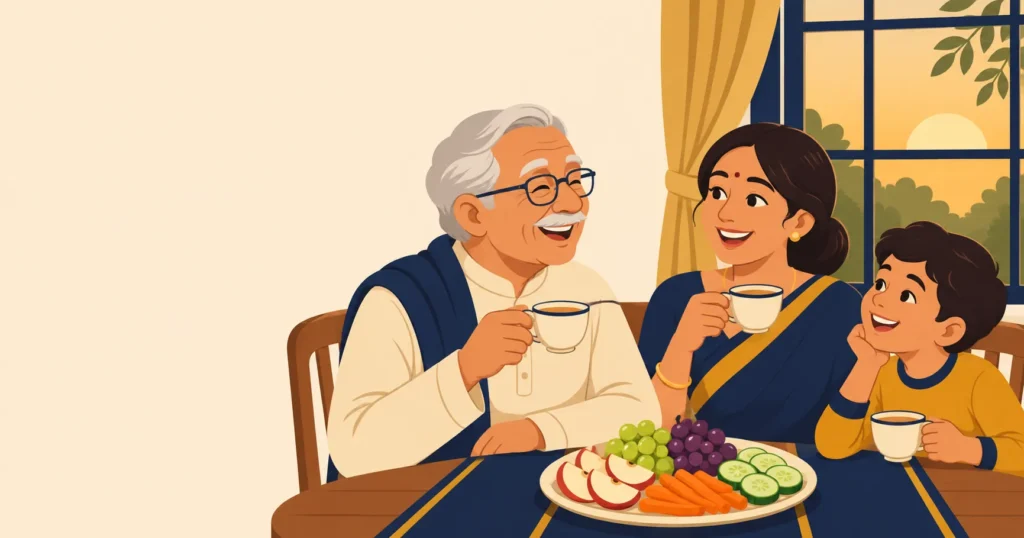
Gentle regular activity, such as walking, is usually good for the heart. Your doctor will tell you how much activity is right for you and when you can increase it. A heart-friendly diet with plenty of vegetables, fruit and whole grains, and less fried and salty food, supports your recovery and long-term health.
How long does a TAVR valve last?
Valves that have been used the longest are working well up to 10 years. Newer valves have been studied for a shorter time. The answer is different for each person, so regular follow-up matters. Read more in our guide, How long does a TAVR valve last?
Dr. Abhishek Rajpopat is an Interventional Cardiologist (MD, DM Cardiology, FSCAI) with a Fellowship in Structural Heart Diseases (Denmark). To book a consultation at Epic Multispecialty Hospital, Ahmedabad, call +91 98985 61611. You can also read the TAVR Patient Journey and Recovery After TAVR.

Frequently Asked Questions
Can I live a normal life after TAVR?
Do I need to see the doctor regularly after TAVR?
Will I need medicines for life?
Can a TAVR valve be replaced later?
Do I need antibiotics before dental work?
Which symptoms should I not ignore?
This page is for general information and is not a substitute for medical advice. Please talk to your cardiologist about your own case. In an emergency, call 112.
Disclaimer: The medical information provided on this website is for educational and informational purposes only and should not be considered as medical advice, diagnosis, or treatment. Always consult a qualified healthcare professional regarding any medical condition or treatment decisions. While every effort is made to ensure accuracy, doctor and/or clinic and/or hospital does not guarantee the completeness, reliability, or accuracy of the information published. Treatment outcomes may vary from patient to patient. This website does not offer diagnosis or treatment online. In an emergency, such as severe chest pain, fainting, sudden weakness or severe breathlessness, go to the nearest emergency department.

Dr. Abhishek Rajpopat is an interventional and structural heart cardiologist in Ahmedabad, Gujarat.
Specialities
Get In Touch
Epic Hospital, Rajpath Rangoli Rd, behind Rajpath Club, off Sarkhej – Gandhinagar Highway, Bodakdev, Ahmedabad, Gujarat 380054