TAVR (TAVI) Patient Journey: From Diagnosis to Follow-Up
TAVR, also called TAVI, is a way to replace a narrowed aortic valve without opening the chest. If you or someone in your family has been told about it, you may have many questions. This page walks through the journey step by step, so you know what to expect at each stage. Every person’s journey is a little different, and your doctor will guide you on your own case.
Step 1: Finding out that the aortic valve is narrow
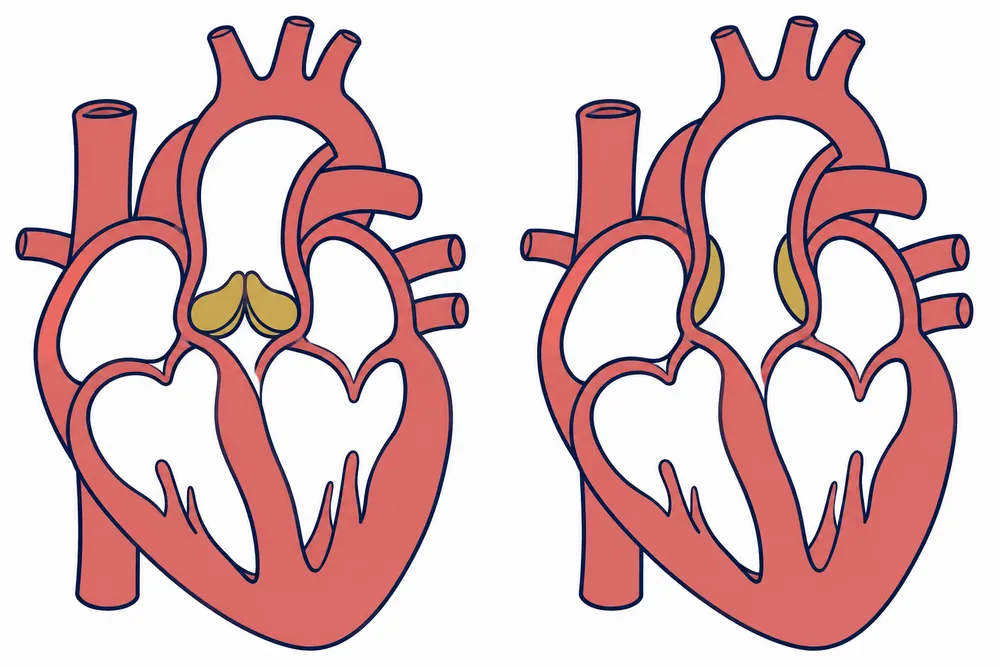
The aortic valve controls blood flow from the heart to the rest of the body. When it becomes narrow, a condition called aortic stenosis, the heart has to work harder. People may notice breathlessness, chest pain or tightness, dizziness or fainting, and unusual tiredness. Some people have no symptoms at first. A doctor may hear a murmur and advise a heart scan (2D Echo), which shows how narrow the valve is and how well the heart is working.

Step 2: Tests and the heart team review
If treatment is needed, more tests are done. These usually include a 2D Echo, ECG, blood tests and a CT scan, which helps measure the valve and check the blood vessels that will be used. A coronary angiogram may be advised in some people. Your doctor may discuss your case with a heart team, which can include a cardiologist, a cardiac surgeon and an anaesthetist, to decide which treatment suits you. TAVR is one option. It is not the right choice for everyone.
Step 3: The day of the procedure
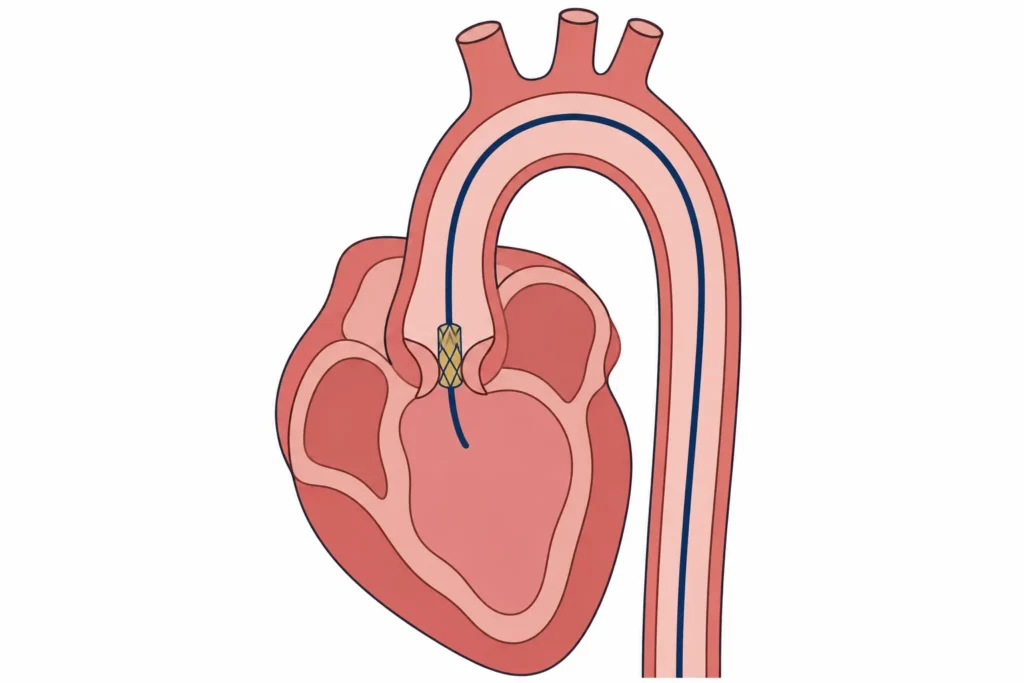
TAVR is done through a blood vessel, most often in the groin, using a thin tube called a catheter. The new valve is guided to the heart and placed inside the old valve. The type of anaesthesia and the time taken depend on the person and the plan. Your doctor and the team will explain everything before the day, including when to stop eating and which medicines to take.
Step 4: Hospital stay and going home
After the procedure, you are watched closely, and you are helped to sit up and walk when it is safe. The hospital stay is often 2 to 3 days, but it can be longer depending on your health and recovery. Before you go home, the team explains your medicines, how to care for the groin site, and when to come back for follow-up.
Step 5: Follow-up in the months and years after
Follow-up is part of the treatment. A heart scan (2D Echo) is usually advised once a year, or as your doctor advises. Take your medicines on time, keep blood pressure, sugar and cholesterol under control, and look after your teeth to prevent infection. You can read more in our guides on Recovery After TAVR and Life After TAVR.
Dr. Abhishek Rajpopat is an Interventional Cardiologist (MD, DM Cardiology, FSCAI) with a Fellowship in Structural Heart Diseases (Denmark). He consults at Epic Multispecialty Hospital, Ahmedabad. To book a consultation, call +91 98985 61611.
Frequently Asked Questions
What is the difference between TAVR and TAVI?
Does TAVR need open-heart surgery?
Who decides whether I need TAVR?
How many days will I stay in hospital after TAVR?
What happens after I go home?
Where can I get TAVR in Ahmedabad?
This page is for general information and is not a substitute for medical advice. Please talk to your cardiologist about your own case. In an emergency, call 112.
Disclaimer: The medical information provided on this website is for educational and informational purposes only and should not be considered as medical advice, diagnosis, or treatment. Always consult a qualified healthcare professional regarding any medical condition or treatment decisions. While every effort is made to ensure accuracy, doctor and/or clinic and/or hospital does not guarantee the completeness, reliability, or accuracy of the information published. Treatment outcomes may vary from patient to patient. This website does not offer diagnosis or treatment online. In an emergency, such as severe chest pain, fainting, sudden weakness or severe breathlessness, go to the nearest emergency department.

Dr. Abhishek Rajpopat is an interventional and structural heart cardiologist in Ahmedabad, Gujarat.
Specialities
Get In Touch
Epic Hospital, Rajpath Rangoli Rd, behind Rajpath Club, off Sarkhej – Gandhinagar Highway, Bodakdev, Ahmedabad, Gujarat 380054